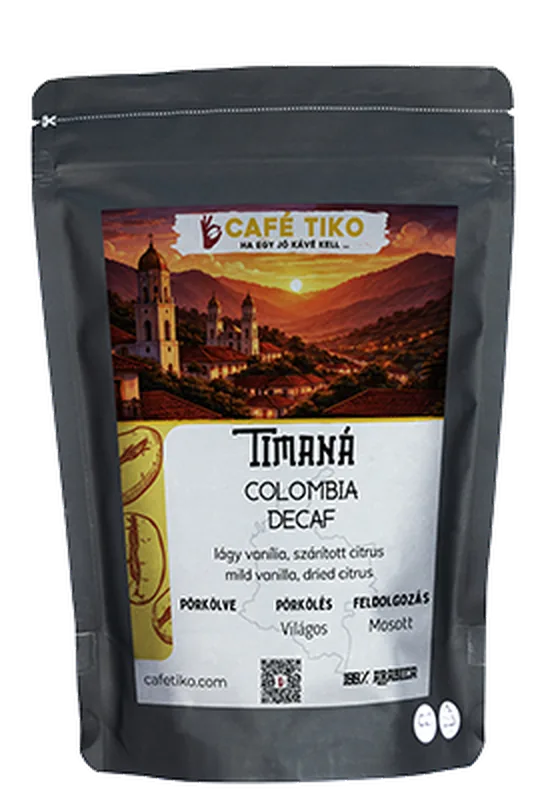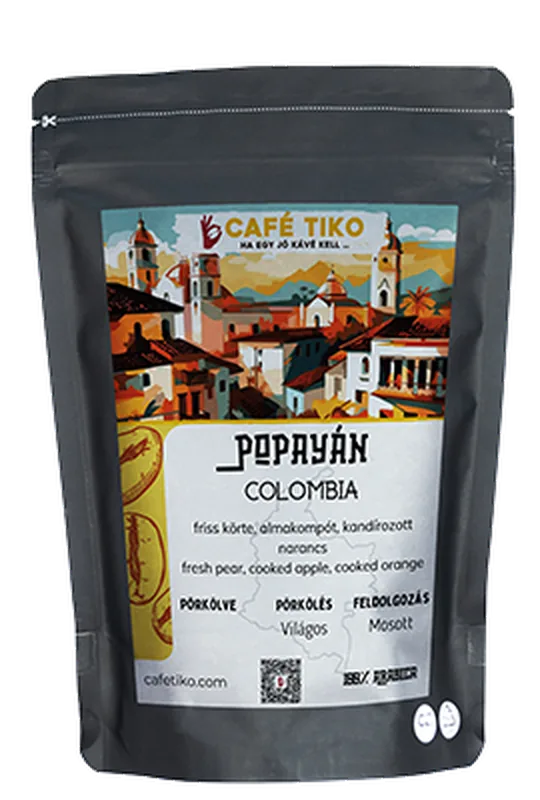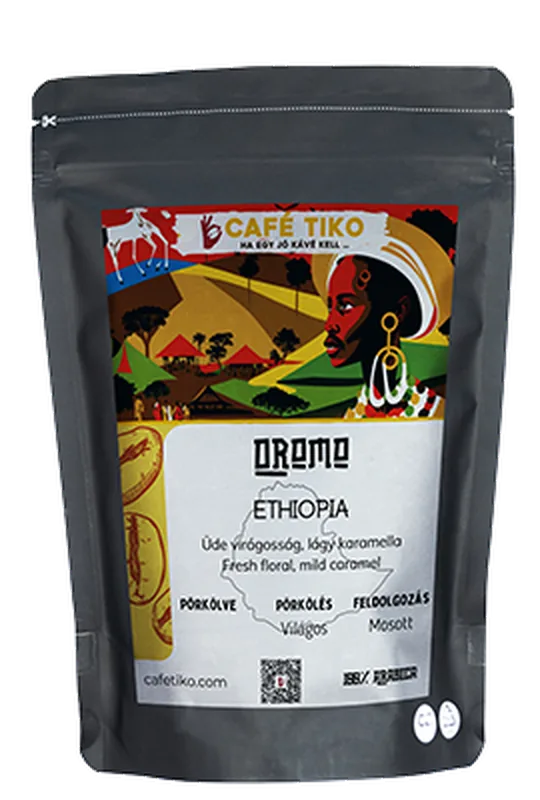
Light roast
More acidity, more fruit, less body. The taste of the origin stays in front.
More acidity, more fruit, less body. The taste of the origin stays in front.
A light roast means we take the beans out of the drum shortly after first crack. They get less heat, so the roast flavours — caramel, chocolate, that toasted character — do not cover what the coffee brought with it from where it grew.
What you taste: brighter acidity, cleaner fruit, a lighter body, a more tea-like finish. In a light-roasted Ethiopian you can find jasmine and bergamot; the same coffee roasted darker turns nutty and chocolatey.
Why “acidic”? Acidity in coffee is not a fault, it is a quality — the same thing that makes an apple refreshing rather than mealy. A longer roast breaks those acids down; a shorter one keeps them.
What it is good for: filter methods — V60, Chemex, AeroPress. It works as espresso too, but it is harder to dial in and many people find it too acidic.
What it does not like: milk. The sweetness and fat of milk cover the delicate floral notes, and next to the acidity it can taste odd.
A common misunderstanding: a light roast is not “weaker”. By weight the caffeine is roughly the same, and a lighter bean is slightly denser — so the same scoop of grounds tends to hold a little more caffeine, not less.
A note on our own scale: all three of our levels sit past first crack, just for different lengths of time. We are not scaling from “light to burnt” — we are looking for three different, equally intact profiles inside that range.
Taste it
This site uses cookies. And something far better: coffee — and a few Costa Rican words.
The words marked in green are Spanish. Tap any of them and it tells you what it means.